


Food organics collection in Sydney.
Commercial food waste collection for restaurants, cafés, hotels, supermarkets and commercial kitchens across Sydney and NSW. Separate bins, regular pickups, and a setup that meets the NSW food organics rules.
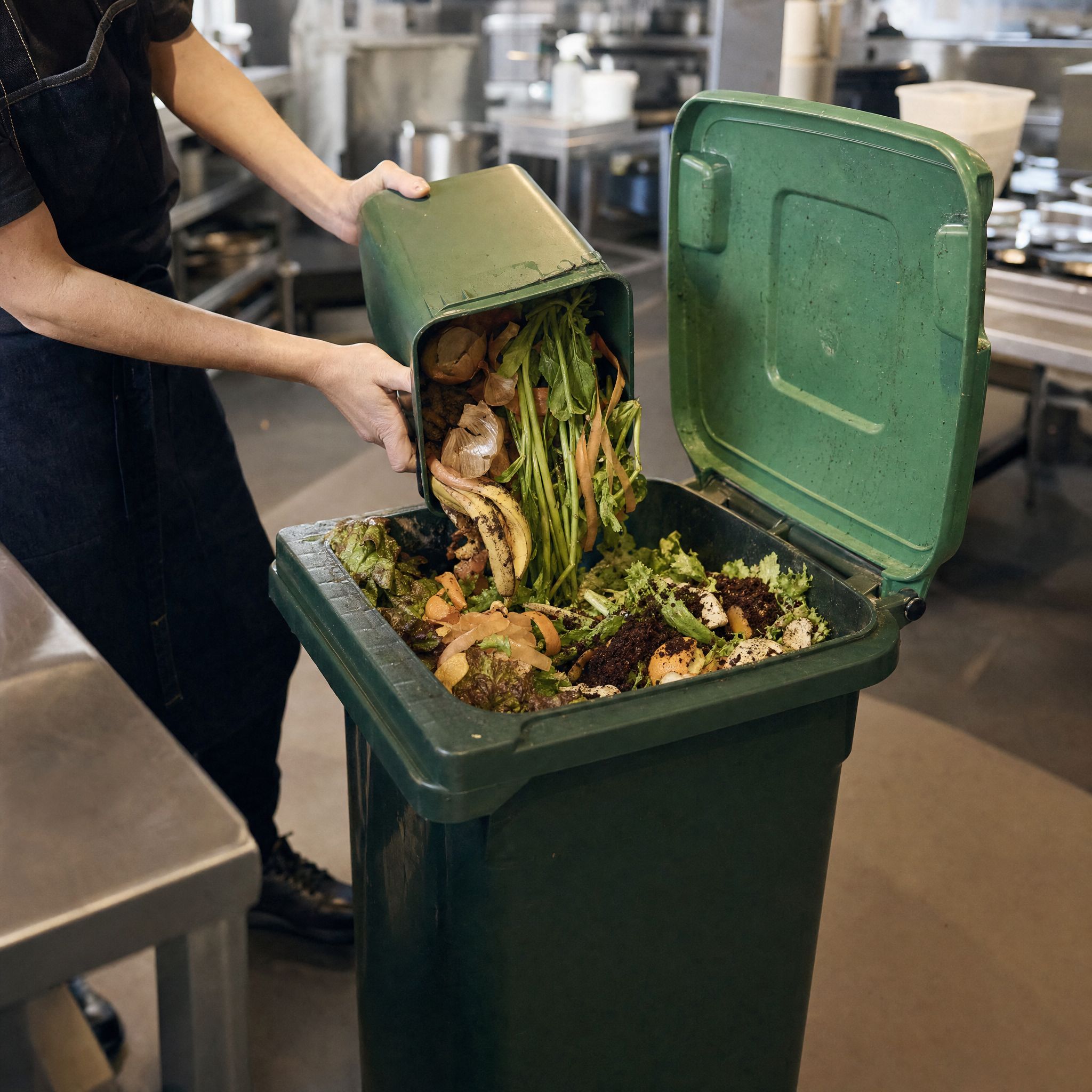
What goes in the bin.
Food only. Keeping packaging out keeps the bin accepted at the processing facility.
Yes
- Fruit and vegetable scraps
- Meat, fish and bones
- Dairy, bread, rice and pasta
- Plate scrapings and prep offcuts
- Coffee grounds and tea
No
- Plastic bags, wrap and packaging
- Glass, cans and cutlery
- Cooking oil and liquids
- Napkins and general rubbish
The NSW food organics rules.
From 1 July 2026, supermarkets, hospitality businesses and institutions that prepare or serve food must separate food waste and have it collected separately. The rules apply in stages, based on how much general waste a site produces each week.
From 1 July 2026, supermarkets, hospitality businesses and institutions that prepare or serve food must separate food waste and have it collected separately. The rules apply in stages, based on weekly general waste.
We'll check where your site sits and set up a service that meets them.
Sites in scope need
- Enough food organics bins for the food waste produced
- Food waste transported separately from other waste
- Collection at least once a week
Summary only. Front-of-house dining areas are temporarily exempt until July 2030. For the full rules, see the NSW EPA FOGO mandates page.
Summary only. Front-of-house dining areas are temporarily exempt until July 2030. Full rules: NSW EPA.
Who it suits.
- Restaurants and cafés
- Hotels, pubs and clubs
- Supermarkets and food retail
- Commercial kitchens and caterers
- Schools, childcare and aged care
- Food courts and shopping centres
Bins and collection.
- 120 LWheelie bin for smaller kitchensSmaller kitchens
- 240 LWheelie bin for busier kitchensBusier kitchens
- WeeklyAt least, or more often as needed
Most kitchens use 120 L or 240 L wheelie bins, sized to how much food waste you produce. Collection is at least weekly, and more often for busy kitchens or in warmer months. Food organics sit on the same account as your general waste, recycling and cardboard.
Most kitchens use 120 L or 240 L wheelie bins, sized to how much food waste you produce. Collection is at least weekly, and more often for busy kitchens or in warmer months. Food organics sit on the same account as your other waste services.
See all bin sizes and servicesSend us a recent invoice.
Already have a provider? We'll review your services and pricing, and check whether your site needs food organics under the NSW rules.
We'll review your services and pricing, and check whether your site needs food organics under the NSW rules.
Thanks, we'll be in touch soon.
Let's sort your food waste.
Tell us about your business and what you need. We’ll be in touch within one business day.
Prefer to talk? Call 1300 310 910
Thanks, we'll be in touch soon.